[ad_1]
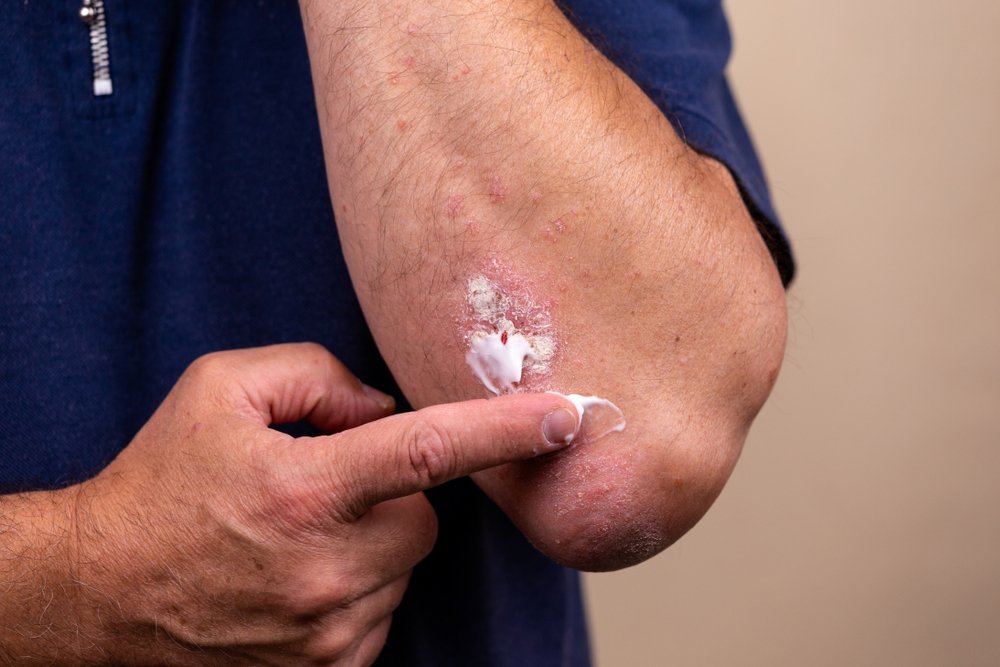
Dermatological agents accounted for the largest share of workers compensation prescription payments in early 2025, with much of the spending concentrated in delivery pharmacies and physician dispensing channels, according to a report released Thursday by the Workers Compensation Research Institute.
The Waltham, Massachusetts-based institute said physician dispensing and delivery pharmacies accounted for more than 70% of dermatological prescription payments in 20 of 31 study states during the first quarter of 2025. In states with the highest dermatological payment shares, those channels accounted for roughly 80% to 95% of dermatological payments.
The report found that dermatological agents and nonsteroidal anti-inflammatory drugs remained the largest prescription cost drivers. Dermatological agents accounted for 23% of prescription payments in the median state and more than 30% in 12 states. NSAIDs accounted for 15% in the median state.
Overall prescription drug payments also rose in most states after several years of declines. Quarterly prescription payments per medical claim increased 24% in the median state between the first quarter of 2022 and the first quarter of 2025, rising to $63 from $51.
The report found wide interstate variation. Prescription payments per medical claim fell 22% in Minnesota but rose 34% in Florida and 36% in Pennsylvania. As of the first quarter of 2025, payments ranged from about $14 per medical claim in Minnesota to $353 in Louisiana.
WCRI also found that migraine drugs are emerging as a growing cost component, while opioid payments continued to decline in nearly all states, though less sharply than in prior years.
[ad_2]
Source link